A Self-Sustaining, Not for Profit
Meat Processing Hub
Click to jump to:
Las Cumbres Ranch
Photo credit: Isaac Hernandez, Mercury Press
THE CHALLENGE
Meat processing in the US is facing a crisis.
Today, just four corporations—Tyson, Cargill, JBS, and National Beef—control 80-85% of the U.S. beef market.1 “The small number of large-scale processors making purchases places downward pressure on live animal prices, harming livestock and poultry producers, and also upward pressure on retail prices, harming consumers. Market and processing concentration are widely recognized as threats to food system resilience,“ 2 according to a recent UC Davis study.
As National Producers/Processors are pushing small producers and processors out, they remain vulnerable to systemic weaknesses like hacking 3 and pandemics,4 their hiring practices prevent fair wages, and their feedlot environmental impact is disproportionately high. There is a critical nationwide shortage of USDA-Certified meat processing facilities. Many small-scale central coast ranchers are facing potential closure because they don’t have processing options, and simply can’t compete with the National Producer/Processors.
1 farmaction.us
2 A New Era for Meat Processing in California? Challenges & Opportunities to Enhance Resilience, UC Davis Food Systems Lab, 2021
3 Meat processor JBS paid $11 million in ransom to hackers. New York TImes, 6/9/21
4 Meat processing plants are closing due to covid-19 outbreaks. Beef shortfalls may follow. Washington Post, 4/16/20
LOCAL REACTIONS TO THIS CRISIS
CALIFORNIA CENTRAL COAST SURVEY
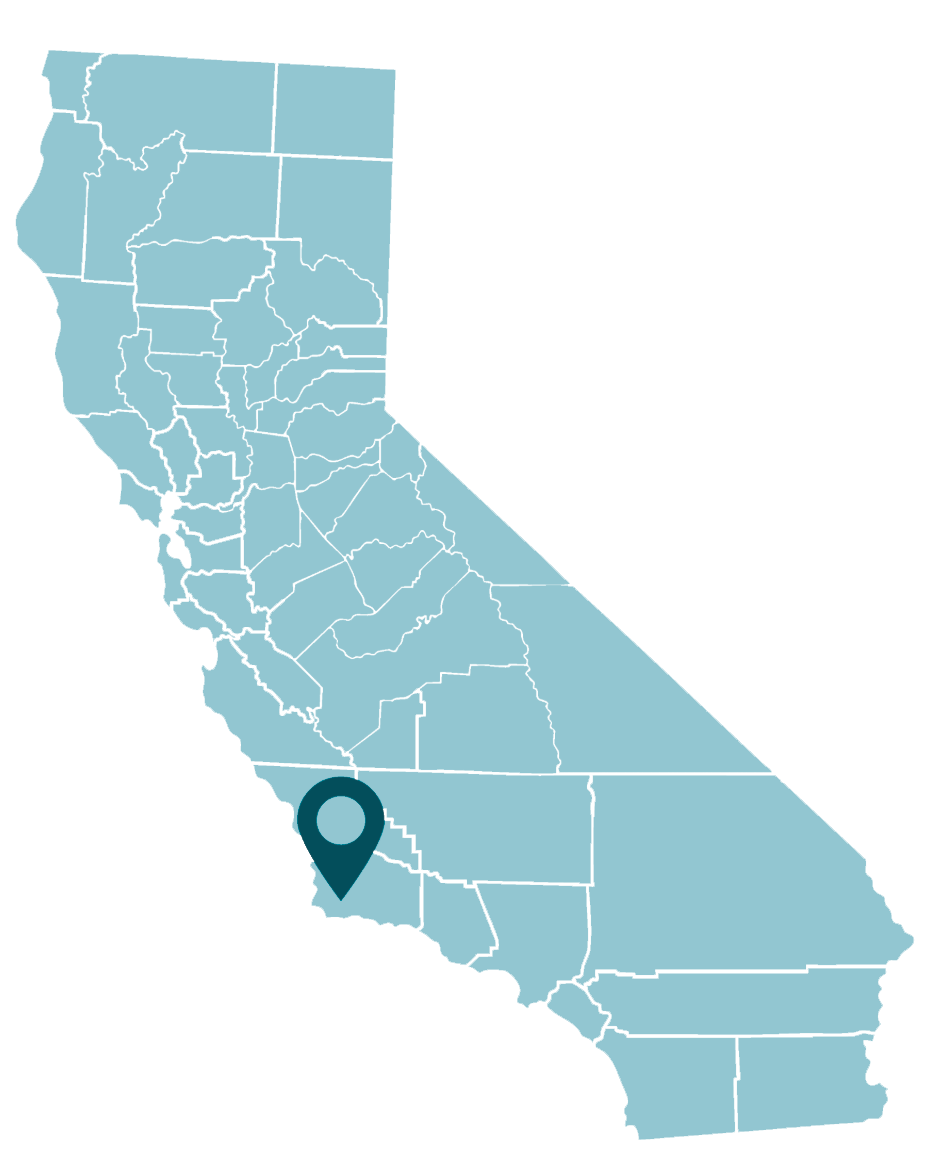
SBCFAN SURVEYED 46 LOCAL PRODUCERS IN 2022

THE MEAT PROCESSING HUB


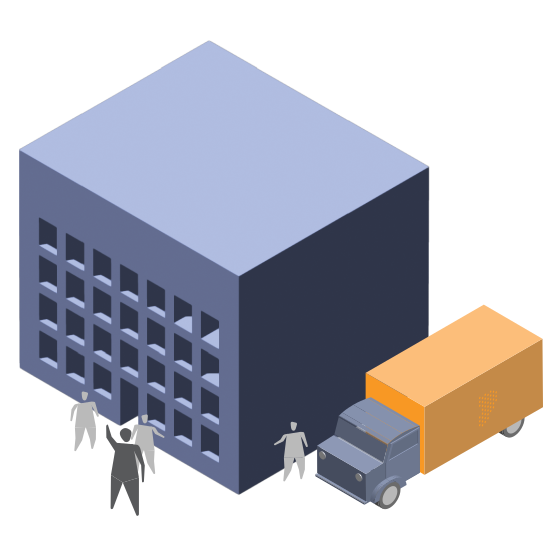
The Santa Barbara County Food Action Network (SBCFAN) is partnering with Local Ranchers, the Bureau of Prisons (BoP), Institutional Buyers, and Workforce Development to leverage each of their resources in a bold new collaboration.
SBCFAN IS LOOKING TO RAISE WORKING CAPITAL FOR THIS. PLEASE CONTACT US FOR DETAILS.
This will fund:
- The building and early operation of a USDA-Inspected, Not for Profit Meat Processing Facility at Federal Correctional Complex Lompoc (FCC Lompoc), and
- An online Food Hub to facilitate direct-to-consumer selling, local processing, and purchasing.


PROJECTED OUTCOMES
- Fill a critical gap in USDA-certified meat processing infrastructure
- Create skilled, good-paying jobs in our community
- Reduce animal suffering through shorter transport, smaller facilities, and the latest humane processing equipment and practices
- Cut emissions by minimizing long-distance animal transport
- Support local control over food production
- Model ethical incarcerated labor practices by prioritizing training, agency, and long-term opportunity
- Build a reliable pipeline of skilled workers to fill local high-demand, high-wage careers in the meat industry
All of this will forward SBCFAN’s mission of creating a self-sustaining, healthy food system for California’s Central Coast, and will be a win for ranchers, incarcerated individuals, institutional buyers, and our local communities.

Cuyama Homegrown
Photo credit: Andrew Hill, PHAROS Creative
This project builds food system resilience.
- FILLS A CRITICAL GAP IN USDA-CERTIFIED MEAT PROCESSING INFRASTRUCTURE
FCC Lompoc previously held USDA certification and can be recertified. - REDUCES DEPENDENCE ON CENTRALIZED, VULNERABLE CORPORATE SUPPLY CHAINS
Local businesses and communities benefit from a local supply chain. Large scale producers have already been paralyzed by malicious hacks, illustrating inherent vulnerabilities in food-system monopolies. - INCREASES MARKET ACCESS FOR SMALL PRODUCERS VIA USDA CERTIFICATION
With nearby access to cost-effective, USDA-certified processing, local producers can afford to reach further with their products and now sell directly to restaurants and consumers. - SUPPORTS FLEXIBLE, COMMUNITY-BASED SUPPLY CHAINS DURING DISRUPTIONS
Producers and communities are empowered to weather disruptions like COVID, mudslides, fires, and more.
A TIMELINE OF ACCOMPLISHMENTS SO FAR
Update as of November, 2025:
Our work moves at the SPEED OF TRUST. Bringing this project to its current state has taken more than 4 years of work by SBCFAN, Bureau of Prisons (BoP) representatives, local food producers and stakeholders. Visits to Washington DC, multiple inspections and rounds of approval and permitting. It’s hard to quantify all of the work, so we like to celebrate some of the successes along the way:
- SBCFAN launches Meat Processing Working Group launches – Aug 2021.
- UCANR and SBCFAN partner to conduct survey to prove demand and capacity – 2022.
- SBCFAN explored the feasibility of accessing a mobile harvesting unit and identifying possible underutilized existing meat processing infrastructure in the county – 2022
- SBCFAN was approached with a proposal to enter into a nonprofit-government partnership to launch a USDA certified meat processing facility – 2022.
- Phase 1 funded and implemented in 2023, including:
- initial facility assessment, secured endorsements from several county, state, and federal representatives;
- Advocated to D.C. staffers to adopt a national vocational training credential for meat processing;
- Initial business plan created
- Worked with Vocational Training Education Department to outline initial training timeline
- Phase 2 funded and portion of tasks completed in 2024, including:
- Larger adjacent facility secured for processing facility;
- Second site visit completed;
- Offsite drop/pick site identified;
- Created and implemented a survey with UCANR, which proved regional year-round demand and capacity for a USDA-certified Meat Processing Facility.
- SBCFAN collaborated with FCC Lompoc to open the Federal Prison to deeper community connection. Historically, prisons have been insular institutions, operating apart from the communities around them, but now BoP staff and the broader community are becoming true partners—building trust and collaboration at the local level.
- BoP agreed to fund increased staff so the meat processing facility can move forward as soon as the build can take place.
- BoP agreed that the proposed facility at FCC Lompoc will be built to the highest standards of animal welfare and humane processing.
- The BoP legal department reaffirmed that SBCFAN will own 100% of all assets and SBCFAN will negotiate the use of the facility equipment by BoP. This will reduce hub operating costs and strengthen SBCFAN.
- SBCFAN established that BoP will be the first and standing customer of both meat and produce (produce when phase 2 of production takes place).
- SBCFAN successfully connected BoP and Veggie Rescue to re-launch their gleaning program.
- SBCFAN became a member of the FCC Lompoc Community Relations Board. “As long as [SBCFAN] are pushing this project along BoP will pave the way for its success.”
— Bryan Birkholz, Complex Warden at FCC Lompoc
ADDITIONAL SURVEY RESPONSES FROM LOCAL RANCHERS
*Approximate estimation given a full truck of mature beef cattle outbound and a refrigerated truck full of processed meat on the return trip. Not included are emissions of other greenhouse gases, such as methane or HFCs. Calculated using carboncare.org and sifted.com.
